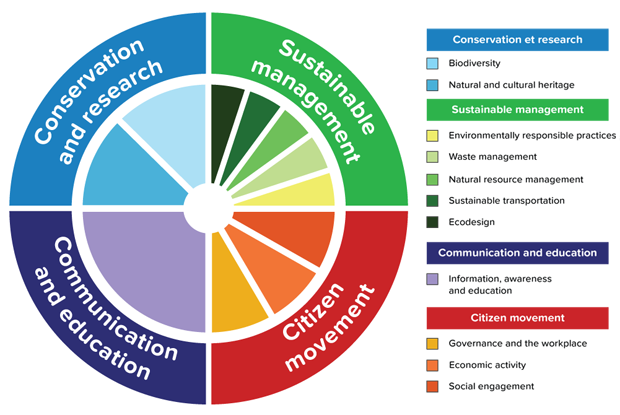
Sustainability is becoming a goal of some major and minor companies so that they can grow larger, reduce costs, and have a good public appearance in regards to the environment and people. For a new or existing business to implement sustainable goals a process must be followed where goals are made, obeyed, and measured. To create a goal it “…involves new ways of looking at the world, and can seem abstract and hard to understand for people new to its ideas.” (Robertson 2017). The new way of looking at the world and thinking can allow for far-fetched goals to be obtainable and gives the potential to be a new standard for sustainable business practice. To learn about different sustainable aspects, frameworks may be looked upon. There are four major frameworks that a business can follow to develop an action plan and real goals. According to Robertson, 2017, the frameworks look at fossil fuels and minerals, toxins, resource extractions, and equity and economics. The four frameworks give good guidelines for what should be measured and what goals they should obtain. Below is an example of what a goal may contain and should focus on for future endeavors with the four frameworks in mind (figure 1).
In order to fix sustainability issues, more than just businesses need to focus on solutions. We need people to focus on making sustainability the solution too. Doing this is considered difficult to some people due to the lack of others being outside in nature where they can take in the real world around them. The want and need to see the natural world around you is called biophilia. According to Robertson, 2017, “biophilia, the genetically encoded emotional need of humans to affiliate with nature and with other living organisms, evolved as an adaptive mechanism to protect people from hazards and to help them access resources such as food, water, and shelter. In modern life, research shows that contact with the natural world has an impact on human health and well-being as well as on people’s ability to think and to learn (Ulrich 1984, 420–21; Kellert 2005, 4; Li and Sullivan 2016, 149)”. With the research showing the importance of nature on humans, some contractors and designers have been creating biophilic designs for houses and commercial buildings. These designs include zero net energy, living buildings, and CORE certifications, while leaving nature as the driving force and providing the owner with a beautiful home (living-future.org) (figure 2).
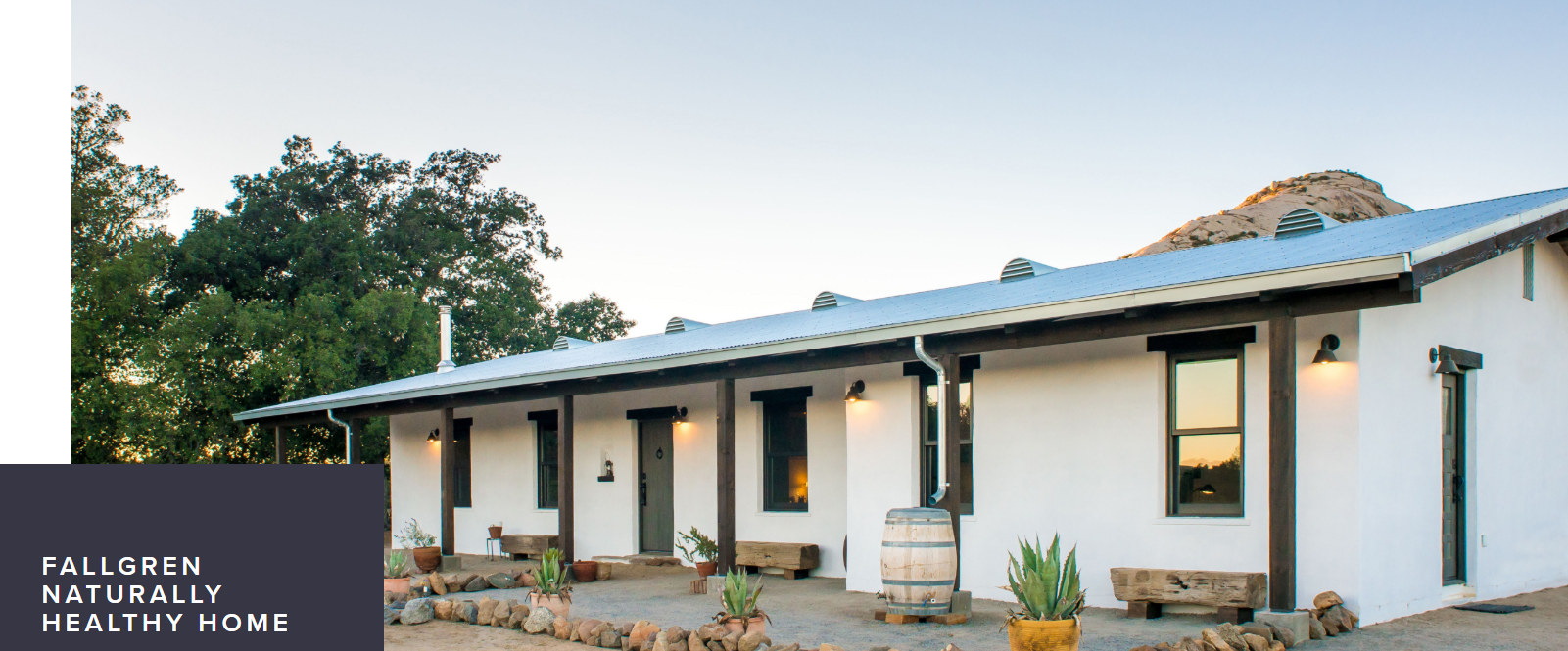
These buildings focus on nature by using sustainable sources, reaching sustainability certifications, and using an open concept so the outside may always been seen and enjoyed by people. Using biophilic design for offices and homes allows for people to relax and potentially work more, while co-inhabiting with the natural world (video 1). With time and effort, some houses have even been made with zero net energy transmissions (living-future.org). The idea of biophilic design would also allow for new generations to grow up in nature and teach them to appreciate what we have. Since young children learn by activities, touching things, and from watching adults, they could learn how to be sustainable from us and their own experiences. Since biophilic designs will allow for children to appreciate nature as much as we all should they could keep pushing sustainability for their future.
Biophilic Design. (2018, December 17). Retrieved from https://living-future.org/biophilic-design-overview/
Robertson, M. (2017). Sustainability Principles and Practice. Abingdon, Oxon: Routledge. Sustainable development policy. (n.d.). Retrieved from http://m.espacepourlavie.ca/en/sustainable-development-policy

 Alexandria's Blog on Sustainability