Efforts big and small can make a difference in communities and the ecosystem. In order for a community to build resilience personal action must be made. These actions can include eating local or personally sourced food, reusing more of what we have, being more energy efficient with how we live and run our houses, and repairing the damage that we have made and preparing for a future with less harmful fossil fuels (Robertson 2017). Individual actions can be used to start change, but big efforts are required too since “…the planetary crisis is so pressing and the issues reach across state and national boundaries, mobilizing all the parts of global social networks is essential, including communities, profit and nonprofit organizations, educational institutions, governance, and policy (Evans 2012, 77; Sachs 2015, 496).” (Robertson 2017). By correctly mixing the two different efforts, real changes can be made with sustainability in sight.
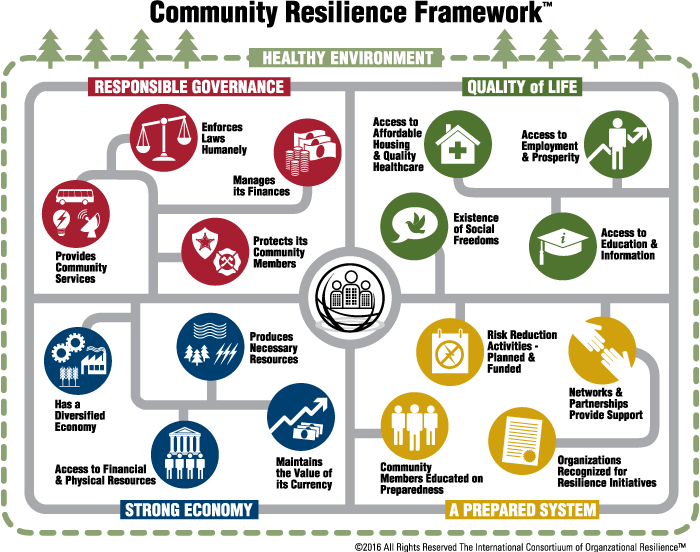
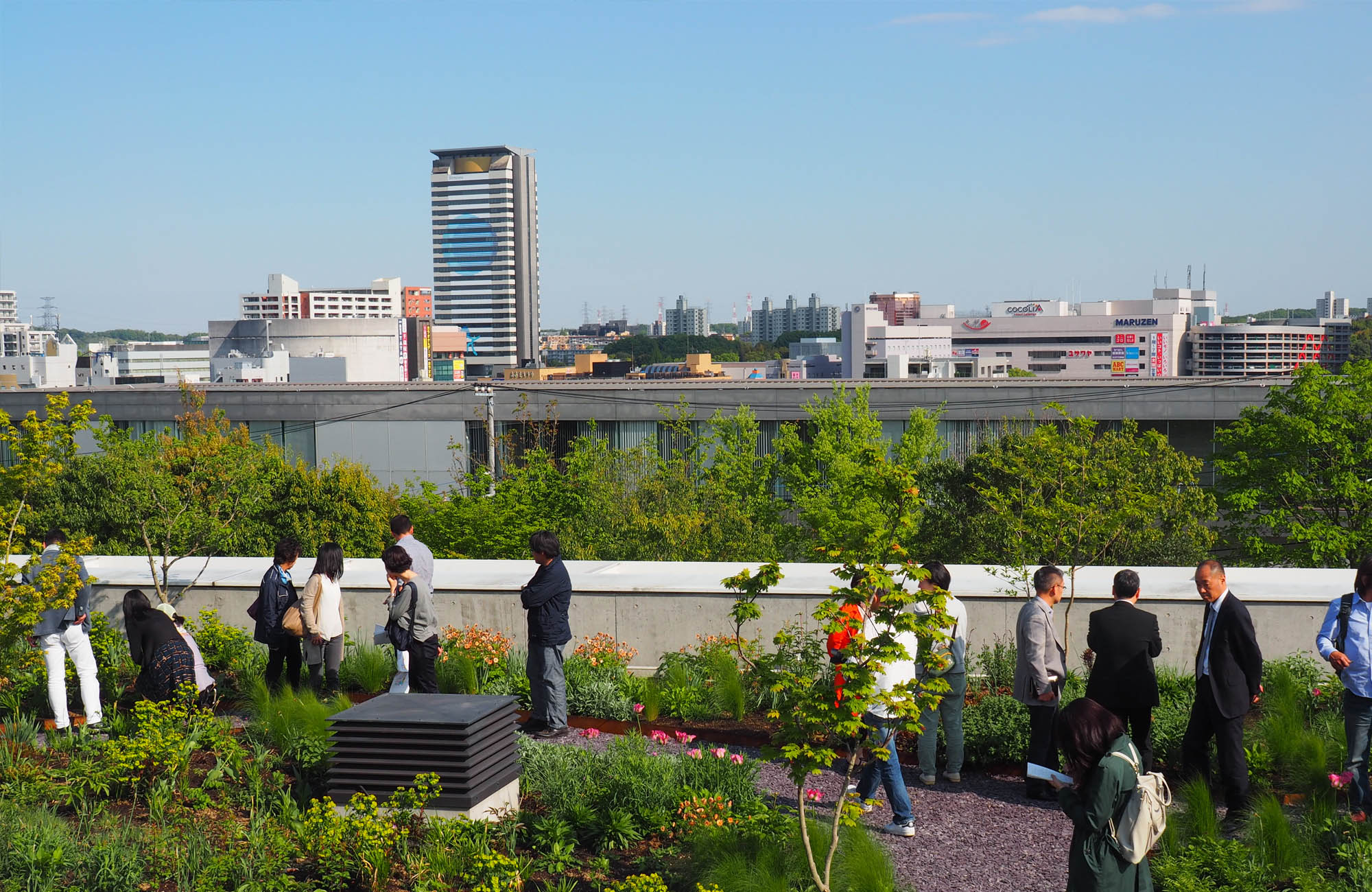
In order to give people and communities a chance, communities must be resilient. According to Robertson (2017) “resilient systems endure not because they remain stable in the face of change, but because they are able to shift to new states that allow them to retain their core functions (Evans 2012, 170).” This quote defines how us people and government must be willing to accept change and the hardships it may bring. Robertson and the ICOR (The International Consortium for Organizational Resilience) agree that people are a big factor in adding to community resilience. By having strong people enforce what they believe in there’s a chance that it can influence the government. Working together to support smaller businesses allows for communities to be connected, prepared, and support their local economy (figure 2). Community resilience further supports the economy by allowing workers to have a direct role in decision making that focuses on long-term profits than short-term. They also bring people together by giving the community an opinion that can be heard regarding things that may effect their town. With strong groups of people and a resilient community, a transition may be made for towns.
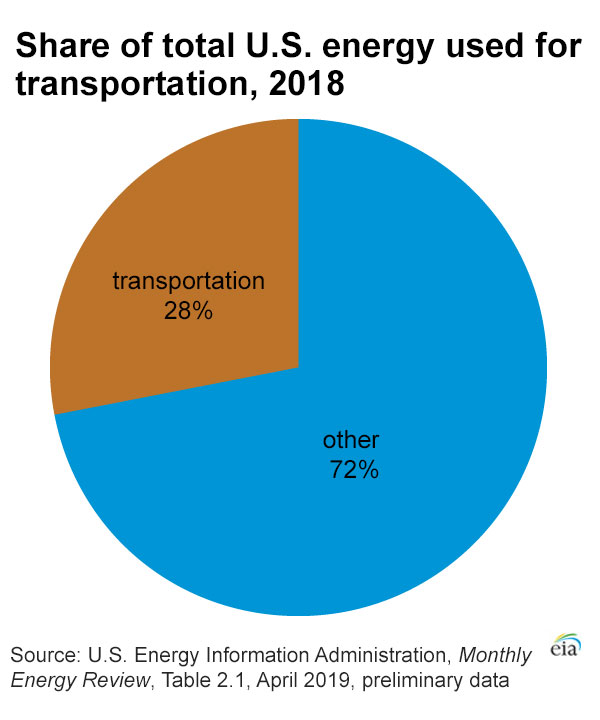
Transition towns are up-and-coming for resilient communities. “Transition Towns, founded by permaculturist Rob Hopkins, is a global network of hundreds of communities each working to build local resilience in response to peak oil, economic instability, and climate destabilization.” (Robertson 2017)(video 1). The gathering of people is the most important part of a transition town because of the support and optimism that everyone can give to each other. A town like the one described in the video would require people to grow their own food and focus on where the energy they’re spending is going. Groups have been forming around the globe to support this movement and prepare for the future. These groups focus on education, where food comes from, and transportation for community members. The emphasis on foods and good includes the money and fuels needed to transport the supplies from one area to another. The groups realize that in order for a change to occur, they must be closer to what they are producing to reduce fossil fuel usage. People are hoping that others will join these transition town groups based on their own ethics and morals. Hope for this to happen is sadly not enough and actions need to start being taken. With everyone working together there is a chance that we can harm the environment less than we already have.
Sources Cited: The International Consortium for Organizational Resilience. (n.d.). ICOR: Community Resilience Frameworks. Retrieved from https://www.build-resilience.org/community-resilience-framework.php
Robertson, M. (2017). Sustainability Principles and Practice. Abingdon, Oxon: Routledge.


 Alexandria's Blog on Sustainability