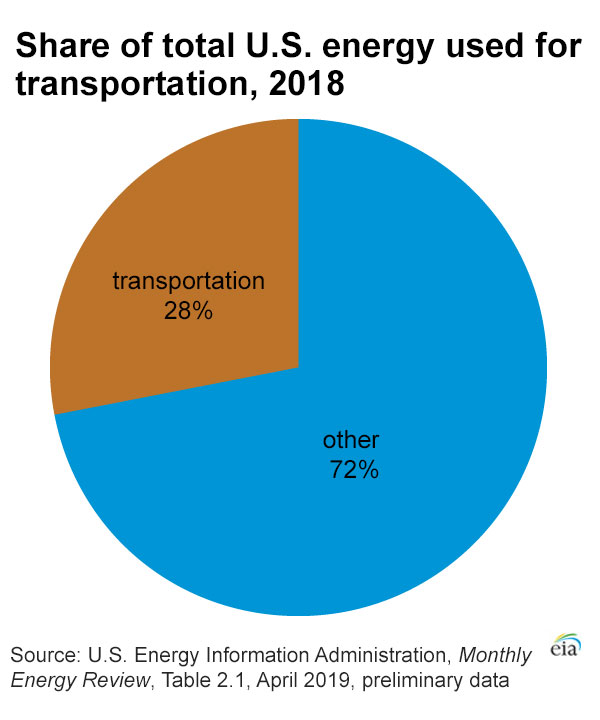
The world population is growing at an exponential rate, and so is the need for transportation. According to Robertson (2017), “transportation consumes 26 percent of the world’s energy produced and is responsible for 23 percent of the world’s energy-related greenhouse gas emissions (IPCC 2014c, 603)”. In the U.S. the total consumption was shown to be approximately 28% of the energy used (U.S. Energy Information Administration, 2019). In order to keep the climate stabilized, the emissions from transportation needs to decrease 50%. To combat the emission usage many counties are modifying their urban planning. Changing urban planning methods allows for urban communities to live off of renewable energy, plan more compact neighborhoods that will reduce the need to drive, and become more economically stable and affordable for different economic classes. One method of planning is the use of mixed neighborhoods. This is a neighborhood that is a mix of residential and business that allows for necessities to be in walking or biking distance. A walking neighborhood proves is functional when the area has a quarter mile radius. Having a reasonable walking radius will reduce the want to drive for groceries or toiletries, and save on car emissions.
Another approach to urban planning is smart growth. “Smart growth is an approach to urban planning that is the antithesis of sprawl. It accommodates growth by locating development in city centers and older suburbs with existing infrastructure in ways that preserve open space and natural resources while supporting and revitalizing existing cities.” (Robertson 2017). Smart growth is based off of ten principles that include mix land use, compact designs with walk-able neighborhoods, preservation of open green space, and creation of housing opportunity ranges. Smart growth was created in 1996 by a former Maryland governor, and he was able to create the Maryland Smart Growth Law. This law was a prototype of sustainable city growth options that may be used by the government and nonprofit organizations. In order to encourage smart growth the EPA has been implementing assistance to different U.S. states and cities (U.S. Environmental Protection Agency, 2014)(video 1).
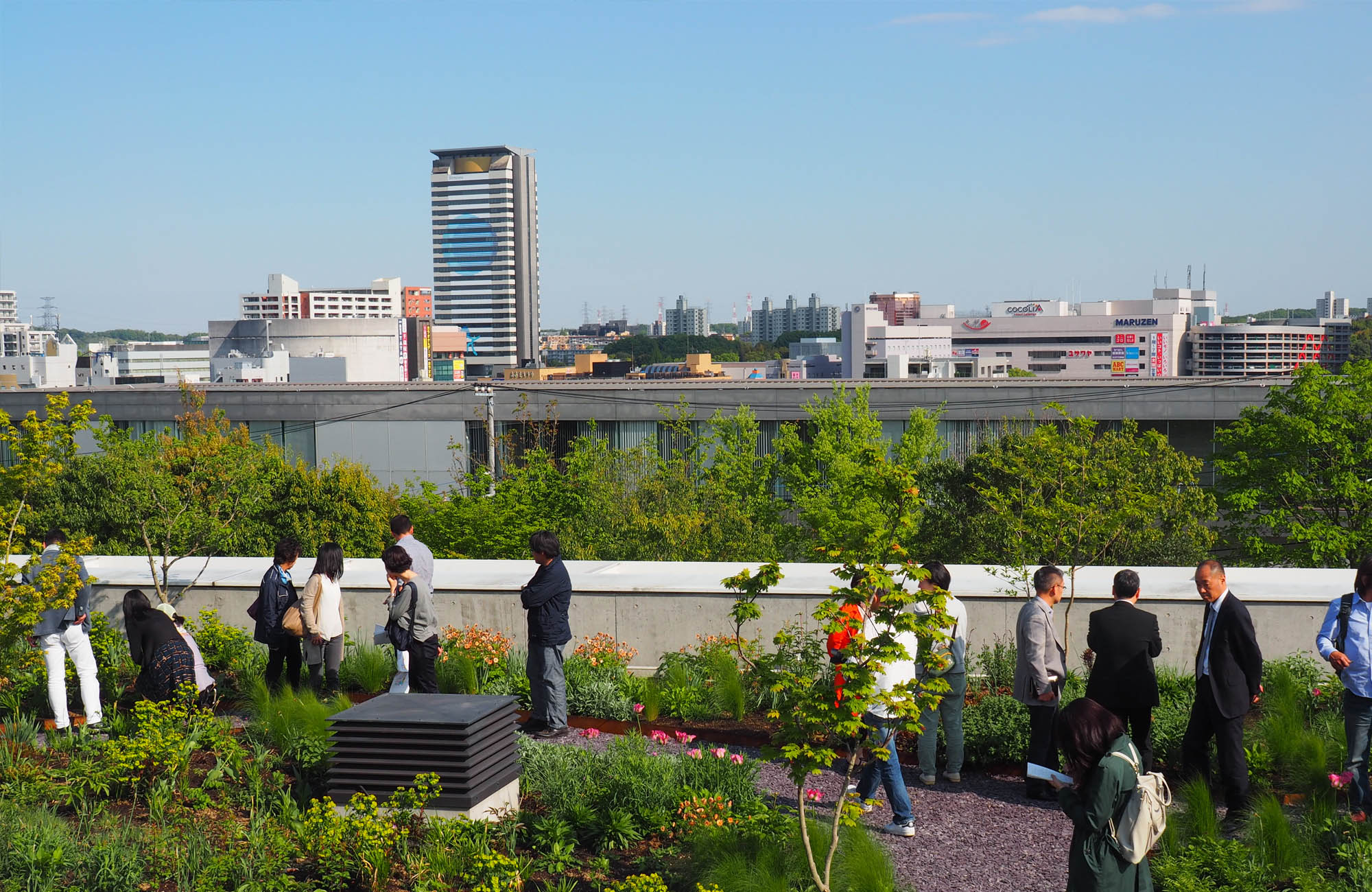
To create a more sustainable future more than transportation emissions must change. With the growing population, more crops and animals must be farmed to feed communities. Mono-culture farming is not sustainable and removes nutrients from the soil faster than it can be replenished. Large cities have been working on combating this issue in a way that is healthy for the environment and community. Community gardening is growing in cities because it is “…a way to bring not only food security but also social cohesion, community regeneration, new skills, and self-confidence to people living in a city.” (Robertson 2017). This method allows for communities to grow closer by school and apartment rooftop gardens, gardening clubs, and creates more green spaces for the community to congregate around (figure 2). Implementing this technique in schools also allows for the younger generations to learn how to be more sustainable in their food interests and everyday lives.
U.S. Energy Information Administration. (2019, May 10). Energy Use for Transportation. Retrieved from https://www.eia.gov/energyexplained/?page=us_energy_transportation
Robertson, M. (2017). Sustainability Principles and Practice. Abingdon, Oxon: Routledge. U.S. Environmental Protection Agency (2014, October 8). Smart Growth Implementation Assistance in Phoenix and Mesa, Arizona. Retrieved from https://www.youtube.com/watch?v=1UoqKZNBWyc

 Alexandria's Blog on Sustainability